If you’re weighing tooth replacement options, this guide explains what implant surgery is and whether implant surgery in Phoenix, AZ may be right for you. It’s written for adults who have one or more missing or failing teeth and who want a long-term solution. Read on to learn how implants work, who’s a good candidate, what to expect during treatment, and practical next steps for getting a consult for implant surgery in Phoenix, AZ.
What is implant surgery?
Implant surgery places a small, biocompatible titanium post into the jaw to replace a tooth root. Over time the bone bonds to the post in a process called osseointegration, creating a stable base for a crown, bridge, denture, or full-arch prosthesis. Unlike removable dentures, implants restore chewing strength and feel more like natural teeth. Common implant-supported options include a single crown for one missing tooth, an implant-supported bridge for several teeth, implant-retained dentures, and full-arch solutions like All‑on‑4.
Top benefits of implant surgery in Phoenix, AZ
Choosing implant surgery in Phoenix, AZ can offer several practical benefits:
- Improved chewing and nutrition because implants act like natural roots.
- Clearer speech compared with loose dentures.
- Bone preservation — implants help prevent jawbone shrinkage that follows tooth loss.
- Long-term stability and a natural appearance that boosts confidence.
- Modern techniques and guided surgery reduce recovery time and discomfort.
Who is a good candidate for implant surgery in Phoenix, AZ?
Overall health and medical history
Your general health affects implant success. Well-controlled diabetes, quitting or reducing smoking, and managing certain medications (like blood thinners) improve outcomes. Your dentist will review your medical history to ensure implant surgery is safe for you.
Oral health and bone quality
Good gum health and enough jawbone are important. If bone is thin, grafting or special approaches like All‑on‑4 can often avoid extensive grafts. Your team will evaluate bone with 3D imaging to choose the right plan.
Realistic expectations and commitment
Implant treatment takes time and requires follow-up visits. You must commit to healing timelines, avoid smoking during recovery, and maintain daily oral hygiene. Those who follow care instructions typically see the best long-term results.
What to expect during the implant surgery process
Consultation and 3D imaging
The first visit includes an exam, review of your medical history, and CBCT/3D scans. These images help the team design a precise plan and, when used with computer-guided templates, increase accuracy during placement.
The surgical visit and sedation options
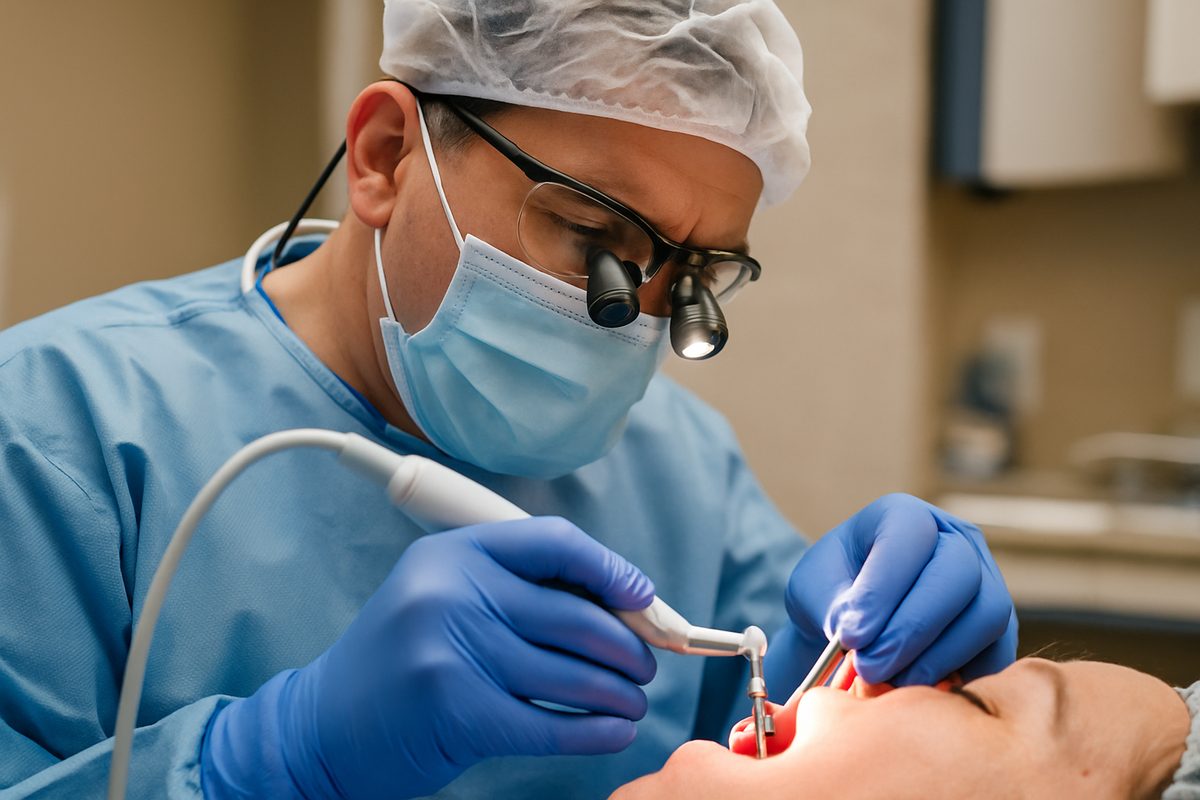
During the procedure, the implant is placed into the jaw. Many patients receive local anesthesia plus a sedation option for comfort — nitrous oxide, oral sedation, or IV sedation depending on anxiety levels and the complexity of the case. Guided surgery can make the visit faster and more predictable.
Recovery and aftercare
Initial healing usually takes a few days to a week for soft tissue. Osseointegration takes a few months before the final restoration is attached. Expect some swelling and mild discomfort controlled with prescribed or over-the-counter pain relief. Eat soft foods early, keep the area clean, and attend scheduled follow-ups to monitor healing.
Risks, success rates, and longevity of implant surgery
Like any procedure, implant surgery carries risks such as infection, implant failure, or nerve irritation. Watch for persistent pain, swelling, or drainage and contact your dentist if these occur. Success rates are high — often 95% or more for healthy patients — and implants can last decades with good care. Regular dental visits, excellent oral hygiene, and avoiding tobacco all improve longevity.
Cost factors for implant surgery in Phoenix, AZ (overview)
Costs vary based on how many implants you need, whether bone grafting is required, the type of prosthetic (crown, bridge, denture, full-arch), lab fees, and sedation choices. Many practices offer financing plans and will help you understand insurance coverage for parts of the treatment. A consult and 3D plan will provide a clear cost estimate tailored to your case.
Is implant surgery by Phoenix Implant Clinic right for you?
Phoenix Implant Clinic has experience with advanced implant techniques like 3D imaging, computer-guided placement, and All‑on‑4 full-arch options. The team offers sedation choices and provides both surgical implant care and general dentistry under one roof. Dr. Eddie Harsini brings extensive implant training and precision, while Dr. Lawlay Azizi offers gentle, patient-focused restorative care. Together they provide a full range of options to help Phoenix patients restore function and confidence.
Next steps: how to get a consult for implant surgery in Phoenix, AZ
To book a consultation for implant surgery in Phoenix, AZ, call or request an appointment online. Bring a list of medications, your medical history, and any recent dental X‑rays if you have them. Ask about 3D imaging, treatment timelines, sedation options, expected costs, and before-and-after cases. If you’re ready to learn whether implant surgery in Phoenix, AZ is best for you, schedule a consult to get a personalized plan and clear next steps.