Dental implants replace missing teeth with a metal post and a crown or denture. Affordability matters because implants are an investment in chewing, speech, and confidence. In this post you’ll learn what implants are, typical costs, how providers make them cheaper, and how to pick a safe option. We’ll also cover risks of going too cheap and a short checklist to help you decide. Use this to talk with your dentist and plan next steps. (Keyword used once: dentists for implants)
What Are Dental Implants?
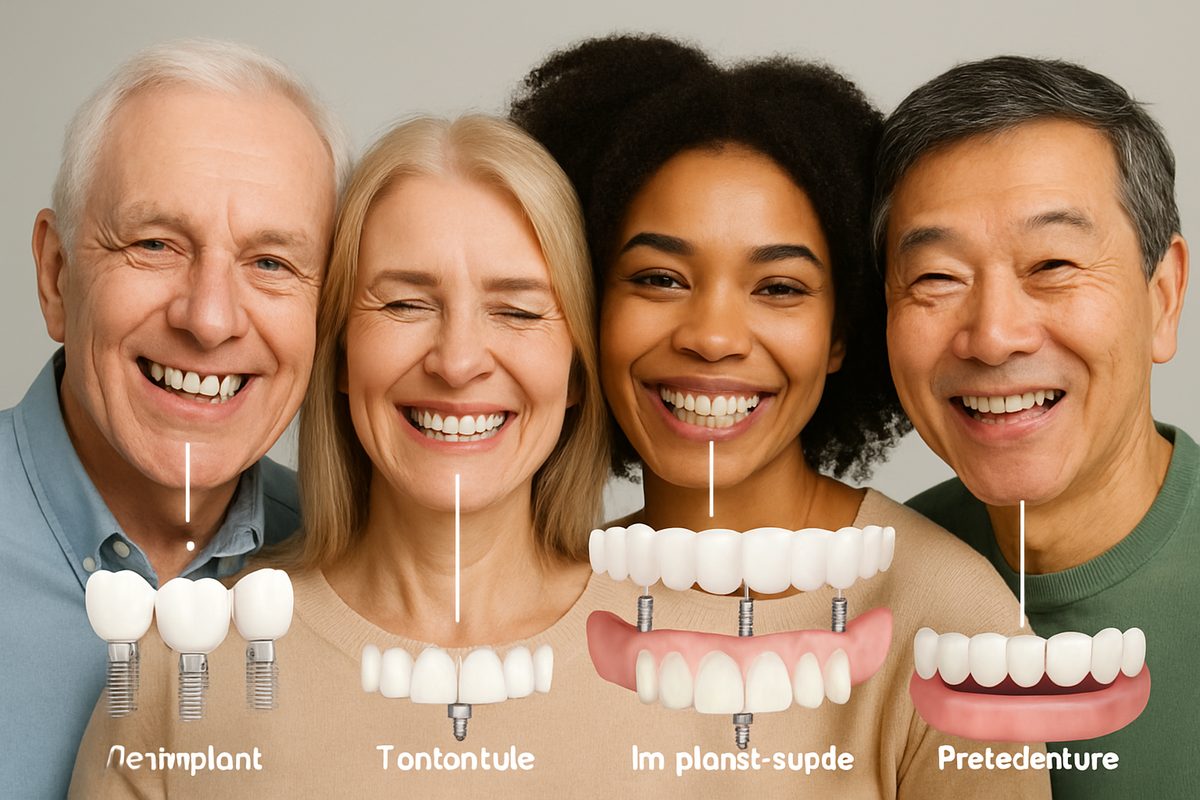
Dental implants are small titanium posts placed in the jaw to act like tooth roots. After healing, a crown, bridge, or denture is attached. Common uses include replacing a single missing tooth, several teeth, or supporting a full-arch denture. Typical steps: consultation and scans, implant placement surgery, healing time for bone to fuse (osseointegration), then placement of the final crown or denture. General dentists and specialists both can manage parts of this process depending on training and equipment.
Typical Cost Range For Dental Implants
Average price ranges
A single-tooth implant with a crown often ranges from low to mid thousands of dollars. Replacing multiple teeth with implant-supported bridges costs more, often several thousand per tooth depending on complexity. Full-arch solutions (All-on-4 or similar) can range from tens of thousands for one arch. Exact prices vary by region, provider, and the materials used.
Hidden and add-on costs
Many extra items can raise the bill: diagnostic scans (CBCT), surgical guides, temporary crowns, lab fees for custom prosthetics, bone grafts if bone is thin, sinus lifts for upper molars, and sedation fees for anxious patients. There may also be follow-up visits, adjustments, and replacement parts over time. Ask for a full written estimate that lists each item.
How Providers Can Offer More Affordable Options
In-house financing and payment plans
Many clinics offer monthly plans with low or no interest for a set time. Third-party medical finance companies let you spread payments over 6–60 months. Some offices provide short-term interest-free plans; always check the total cost if interest applies.
Clinic models that cut costs
High-volume implant clinics can lower fees by streamlining workflows and buying supplies in bulk. Some general dentists place implants at lower fees than specialists because overhead is different. Package pricing for full-arch cases can also be cheaper than booking each stage separately.
Material and lab choices
Implant brands, abutment materials, and dental lab work affect price. Local labs may be cheaper than high-end specialty labs; some implant systems are less costly but still reliable. Lower cost doesn’t always mean poor quality, but you should know which brand and materials are used and why.
Risks Of Choosing The Cheapest Option
Experience and training concerns
Less-experienced providers may have higher complication rates. Poorly planned placement can damage nerves or sinuses, cause infection, or lead to implant failure. Check how many similar cases the provider has done and whether they handle complications or refer out.
Quality of materials and long-term outcomes
Very low-cost implants may use lesser-known brands or low-cost lab work. This can lead to fit issues, fracture, more adjustments, or earlier replacement. Over time, replacement or repair can cost more than choosing a better option initially.
Post-op care and warranties
Some clinics offer limited follow-up or no warranty on parts and labor. Good practices provide clear post-op instructions, scheduled checks, and warranties on the implant and prosthetic. Know who pays if a complication happens months later.
How To Compare Implant Providers
Key questions to ask at a consult
Ask about the provider’s training, how many implants they’ve placed, complication rates, the implant brand, and which lab makes the crowns. Request a written treatment plan and timeline.
How to verify credentials and reviews
Check state licensure and any specialist board certifications. Look for before-and-after photos of comparable cases. Read patient reviews for real experiences, but weigh recent reviews most heavily.
Red flags to avoid
Be cautious if a provider guarantees an unrealistic timeline, pressures you to decide immediately, offers a no-inspection discount, or won’t give a written plan. Avoid vague answers about who will handle complications.
Ways To Make Implants More Affordable
– Use dental insurance or check if parts are covered – Consider dental savings plans for discounts – Use HSA or FSA funds for tax-advantaged payments – Explore medical financing companies or in-house plans – Phase treatment (treat the most critical areas first) – Get a second opinion or multiple estimates
Is An Affordable Option Right For You?
– Oral health: Do you need grafts or other prep work? – Timeline: Can you wait for staged treatment? – Budget: What monthly payment fits you? – Risk tolerance: Are you comfortable with lower-cost materials or providers with less experience? – Research willingness: Will you verify credentials and read reviews? If you need complex work or have health issues, prioritize experience and follow-up care over the lowest price.
Finding Trusted Implant Providers
A trustworthy practice offers clear pricing, written treatment plans, visible credentials, photos of past work, and follow-up care or warranties. If you’re ready, schedule a consult to get a full exam and an itemized estimate. A short phone call or visit can help you compare options and decide if an affordable implant path fits your needs.