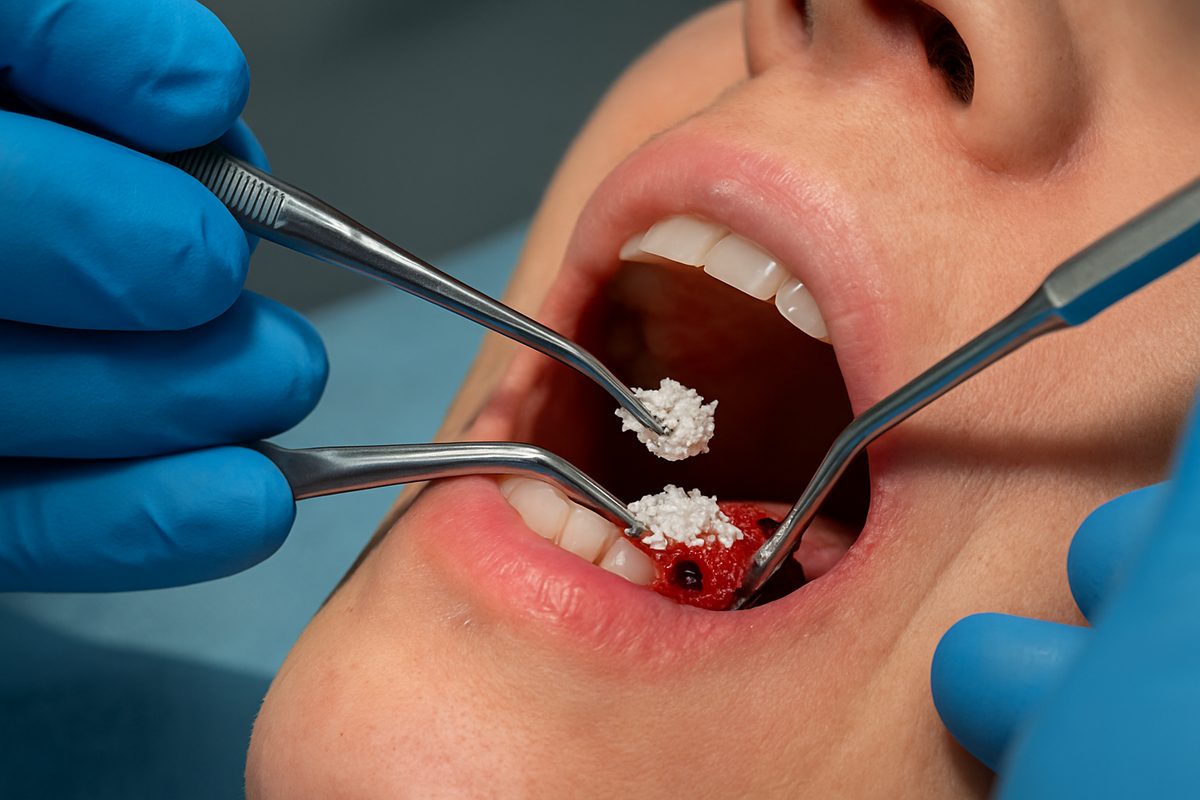
Bone grafting for implant is a common phrase patients hear when they plan for dental implants. At its simplest, bone grafting for implant means adding bone material to your jaw so an implant can sit securely and last for years. Many patients ask if grafts are always required. The short answer: not always. Whether grafting is needed depends on how much bone you have, where the missing tooth is, and which type of implant treatment you choose. This article explains when grafts matter, the types of grafts, what to expect during the process, and when alternatives may avoid grafting altogether.
When bone grafting for implant in Phoenix is necessary
Loss of bone can happen from long-term tooth loss, periodontal (gum) disease, infection, or trauma. Over time the jaw shrinks where teeth are missing. Without enough height or width of bone, a titanium implant may not be stable or could damage nearby structures like the sinus. In these cases bone grafting for implant in Phoenix is often needed to create a safe, strong foundation and improve long-term success.
How missing bone changes treatment
A narrow or low ridge can force your dentist to delay implant placement until bone is rebuilt. If the upper back teeth area is involved, the sinus may sit too close to the planned implant site. That often requires a sinus lift before placing implants. Without addressing these problems, implants can fail, move, or cause pain—so grafting changes both timing and the surgical steps.
Types of bone grafts used for implants
Autograft: bone taken from your own body (often the chin or hip). Pros: best biologic match and healing. Cons: extra surgical site and more recovery. Allograft: donor human bone processed for safety. Pros: no second surgical site. Cons: slightly slower integration than autograft. Xenograft: animal-derived bone (usually bovine). Pros: widely available and stable. Cons: acts mainly as a scaffold while your bone grows in. Alloplast (synthetic): man-made materials like calcium phosphate. Pros: no donor tissue and consistent supply. Cons: varies by product in how well it remodels into natural bone.
Special graft procedures
Sinus lift: lifts the sinus membrane and places bone below it when upper back teeth lack height. Ridge augmentation: adds width and shape to a narrow jaw ridge. Socket preservation: placing bone at the time of tooth extraction to prevent rapid bone loss and make future implants easier. Each is used based on the defect’s size and location.
What the bone grafting for implant process looks like — step by step
Consultation and exam with a clinical check. 3D imaging (CBCT) shows exact bone levels and nerves. Treatment plan outlines graft type, timing, and whether implant placement will be immediate or delayed. Graft placement is a minor surgery under local or sedated care; materials are placed where bone is missing and covered. Healing typically takes 3–6 months, then the implant is placed and allowed to osseointegrate (bond with bone) over another few months. Sedation options include nitrous oxide, oral meds, or IV sedation—your team will recommend what fits your needs. Expect some swelling and mild discomfort the day of surgery and gradual improvement over 7–14 days.
When bone grafting for implant may NOT be needed
Some modern options reduce the need for grafts. All-on-4 / All-on-X full-arch systems place longer implants at angles to use existing bone and often avoid grafting for full-arch restorations. Short or narrow implants can work in areas with limited bone. Zygomatic implants anchor in cheekbone for severe upper jaw loss. Bone expansion techniques can widen a narrow ridge without adding graft. Socket preservation at the time of extraction can prevent the need for later grafting. Choosing the right approach reduces surgery and shortens treatment in many cases.
Role of planning and technology
3D imaging and computer-guided surgery let implant teams measure bone precisely and plan implant angles that make grafts unnecessary when possible. Guided templates help place implants where bone is strongest and avoid vital anatomy, increasing safety and success.
Risks, recovery, and realistic expectations
Common side effects include swelling, mild pain, and some bruising. Risks include infection, graft failure, or nerve irritation—rare with careful planning. Follow-up visits check healing and graft integration. Indicators of success include stable, pain-free healing, healthy gum tissue, and adequate bone on follow-up imaging. Basic recovery tips: keep clean with gentle rinses, eat soft foods for a few days, avoid smoking, and follow medication and activity guidance. Call the office for severe pain, fever, persistent bleeding, or signs of infection.
Cost factors and insurance realities
Costs vary by graft size, material choice, whether bone is harvested from your body, extra surgeries like sinus lifts, and provider experience. Implant-related procedures are often partly covered by dental plans, but coverage is inconsistent. Many practices offer financing plans to spread costs—ask your team about options.
How to know if you need bone grafting for implant
A comprehensive evaluation is essential: clinical exam plus 3D imaging tells whether you need grafting. Good planning also explores alternatives that may avoid grafts and shortens treatment time.
Questions to ask your dentist or surgeon
– Do I need a bone grafting for implant in Phoenix? – What type of graft do you recommend and why? – How long will grafting add to my treatment timeline? – Are there graft-free alternatives for my case? – What success rates and risks should I expect?
About Phoenix Implant Clinic
Phoenix Implant Clinic, part of Smile Dental Clinics, offers 3D imaging, computer-guided surgery, sedation choices, and experience with All-on-4 systems to minimize grafting when appropriate. The team focuses on clear planning and anxiety-free care so patients understand their options for implants and grafting.
Introducing the doctors briefly
Dr. Eddie Harsini, DDS, brings extensive implant training and hands-on experience with guided placement. Dr. Lawlay Azizi, DMD, provides restorative and cosmetic expertise to create comfortable, natural-looking results.
Next steps / Call to action
To find out if bone grafting for implant in Phoenix is right for you, schedule a consult. Bring previous dental records or X-rays if available, and a list of medications. At your visit you’ll get a personalized plan, clear timelines, and cost options so you can choose the best path to a stable, lasting smile.